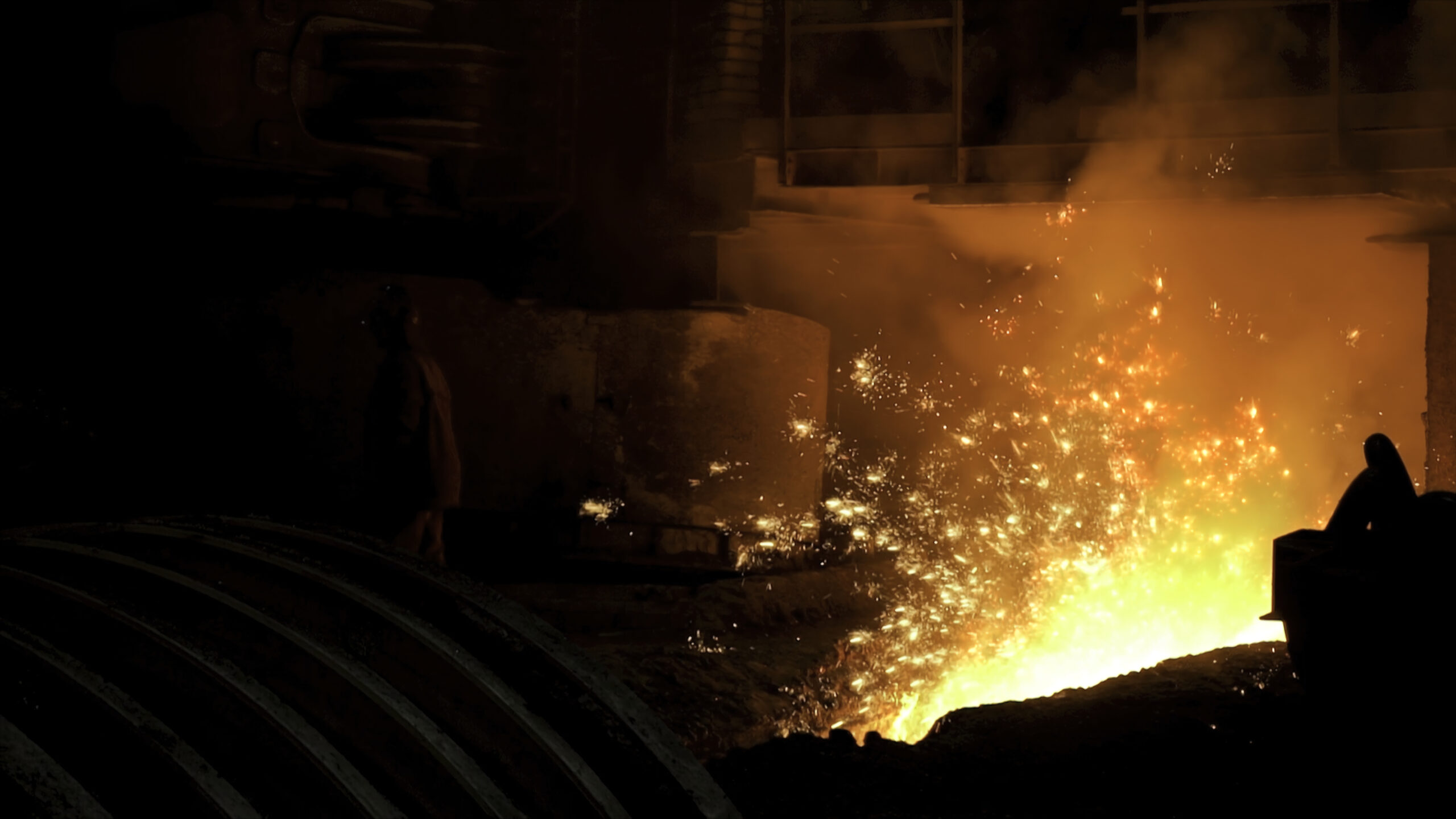
How the Casting Process Works: A Step-by-Step Guide from Woosung Metal
Casting is one of the oldest and most essential manufacturing methods, but truly understanding how the casting process works is key to achieving the best results. At Woosung Metal Co. Ltd, we’ve elevated traditional casting through advanced engineering, full-service support, and a commitment to quality at every stage.
As one of the world’s leading foundries, we specialise in complex machine-moulded components and offer complete oversight—from concept to final delivery.
Step 1: Design Consultation – Where the Casting Process Begins
The casting process starts with collaboration. At Woosung Metal, we work closely with you to determine:
-
Functional and structural requirements
-
Operating conditions
-
Alloy selection and performance goals
-
Desired surface finishes and tolerances
With decades of expertise, our team advises on material choice and optimises designs for both manufacturability and durability.
Step 2: Pattern Making – Shaping the Foundation
A good casting starts with a great mould. Once your design is finalised, our in-house pattern shop creates a highly accurate model using:
-
Traditional craftsmanship and drawing interpretation
-
3D CAD-to-CNC milling for modern accuracy
-
Fast modifications thanks to in-house tooling
This ensures the casting process moves quickly and efficiently to the next stage.
Step 3: Moulding & Core Production
Moulding is where the physical shape of the part takes form. Our casting process supports:
-
High-precision machine moulding
-
Flexible flask sizes to suit part volume and geometry
-
Automated core-making for complex internal shapes
Each mould is tailored to produce consistent, high-quality castings with precise dimensional integrity.
Step 4: Metal Pouring & Controlled Solidification
Here’s where how the casting process works becomes truly critical. We carefully monitor:
-
Pouring temperature and alloy composition
-
Speed and cooling rate
-
Solidification time
Real-time monitoring and skilled oversight ensure minimal defects and superior metallurgical quality.
Step 5: Knockout, Cleaning & Inspection
Once solidified, we remove the mould and begin post-processing. This stage includes:
-
Shot blasting and surface cleaning
-
Visual and dimensional inspections
-
Optional material testing for structural integrity
Only castings that meet strict criteria move forward.
Step 6: Optional Heat Treatment
To meet specific strength, hardness, or flexibility requirements, we offer:
-
Annealing and tempering
-
Stress relief and normalising
-
Quenching and hardening for steel castings
This step boosts long-term performance—especially for parts in high-load or extreme environments.
Step 7: Machining & Final Finishing
Need your components installation-ready? We provide:
-
Full in-house machining to spec
-
Surface treatments, coatings, or painting
-
Secure, project-specific packaging
Keeping this process in-house ensures consistent quality and reduced lead times.
Step 8: Final Quality Assurance & Delivery
Before dispatch, all parts go through rigorous QA, including:
-
Dimensional reports
-
Material certification
-
Full traceability and documentation
Your components are then shipped securely, wherever you operate—locally or globally.
Why Choose Woosung Metal?
Understanding how the casting process works is only the beginning. At Woosung Metal, we offer:
-
Full-process support from consultation to delivery
-
Ethical, sustainable, and ISO-certified manufacturing
-
Fast, responsive service with in-house tooling and heat treatment
Get Started Today
Need expert guidance or a quote? Whether you’re exploring a prototype or scaling up to full production, we’re here to help you understand how the casting process works—and deliver results that exceed expectations.
Contact Woosung Metal to discuss your project today.